Health Innovation West of England has brought together more than 80 maternity professionals and service user representatives from across the South West for the region’s first Avoiding Brain Injury in Childbirth (ABC) Intrapartum Fetal Deterioration (IFD) Training Day, supporting safer maternity care through improved recognition, enhanced communication and early escalation.
Held at Eastwood Park in Bristol on Monday 29 June, the event welcomed 84 delegates from North Bristol NHS Trust, University Hospitals Bristol and Weston NHS Foundation Trust, Great Western Hospitals NHS Foundation Trust, Royal United Hospitals Bath NHS Foundation Trust and Gloucestershire Hospitals NHS Foundation Trust, alongside representatives from NHS England, NHS Resolution, and Local Maternity and Neonatal Systems (LMNS).
Supporting safer maternity care across the South West
The training marks the latest milestone in the ABC programme, which is being led across the South West by Health Innovation West of England as part of the Maternity and Neonatal Safety Improvement Programme. The programme has two key strands: managing impacted fetal head training, which was delivered to regional teams earlier this year, and intrapartum fetal deterioration training, which introduces a standardised risk assessment tool designed to support the early identification of babies who may be deteriorating during labour to enable timely escalation where needed.
The programme responds directly to recommendations highlighted in both the Ockenden and Amos reports by strengthening multidisciplinary communication, supporting effective escalation and embedding the voices of women and families into maternity care. The ABC hourly assessment tool has been co-designed with maternity service users in England and includes a dedicated prompt for healthcare professionals to ask every hour during labour whether women or birthing people have any concerns about their baby, helping ensure those concerns are heard and acted upon.
Bringing together expertise from across maternity services
The day benefited from exceptional multidisciplinary participation, bringing together more than 1,000 years of combined maternity experience. Delegates included maternity and neonatal service user representatives, community, birth centre and labour ward midwives, Practice Development Midwives, Fetal Monitoring Leads, Band 5 and 6 midwives, advanced neonatal nurse practitioners, obstetricians, anaesthetists and maternity leaders from across the region. The contribution of service user representatives was particularly valued, enriching discussions and reinforcing the importance of listening to the experiences of women and families.
Throughout the day, delegates heard from NHS Resolution, which shared national learning, regional data and case studies demonstrating the vital role that effective escalation plays in improving maternity safety outcomes. Participants explored the ABC Intrapartum Fetal Deterioration tool in detail, using paper versions during practical case study sessions to understand how it can support clinical decision-making and multidisciplinary communication in practice.
Creating a culture where concerns are heard
The final session, led by Sam Kammerling, founder of Mokita learning, examined how power dynamics can both hinder and enable effective escalation. Drawing on evidence from national maternity reports, social psychology and lived experience, delegates reflected on the impact of hierarchy on whether women, families and healthcare professionals feel able to raise concerns or challenge decisions. Practical approaches to improving psychological safety and creating cultures that support timely escalation formed a key part of the discussion.
Feedback from the event showed strong support for the ABC Intrapartum Fetal Deterioration tool, with delegates recognising its potential to support earlier recognition of fetal deterioration, improve communication and encourage timely escalation. Key learning themes included the importance of speaking up, understanding the impact of hierarchy, creating psychologically safe environments, strengthening communication with women, families and colleagues, and the role of leadership in supporting safe maternity care.
Attendees also identified a number of actions they will take back to their organisations, including becoming more approachable during escalation, creating psychologically safer teams, challenging barriers to escalation, encouraging open communication, increasing multidisciplinary collaboration and giving greater consideration to parental concerns during labour.
Janet Scott, Patient Safety Lead at Health Innovation West of England, said, “It was fantastic to see such strong multidisciplinary engagement from across the South West for this important training. The enthusiasm shown by participants demonstrates a shared commitment to improving maternity safety and ensuring women and families receive the safest possible care.
“The ABC Intrapartum Fetal Deterioration tool provides teams with a practical, evidence-informed approach to recognising and responding to concerns during labour. However, the training also reinforced that improving safety is about more than introducing a new tool. It is about creating a culture where every member of the multidisciplinary team, alongside women and families, feels empowered to speak up, listen and act when concerns are raised. We look forward to supporting maternity units across the region as they implement this essential programme over the coming months.”
Supporting implementation across the region
Over the next nine months, the Health Innovation West of England ABC team will work alongside each participating maternity unit to support local implementation of the ABC Intrapartum Fetal Deterioration tool. This will include tailored support for individual sites, working closely with funded clinical champions to embed the approach into everyday practice and help ensure the programme delivers lasting improvements in maternity safety across the region.
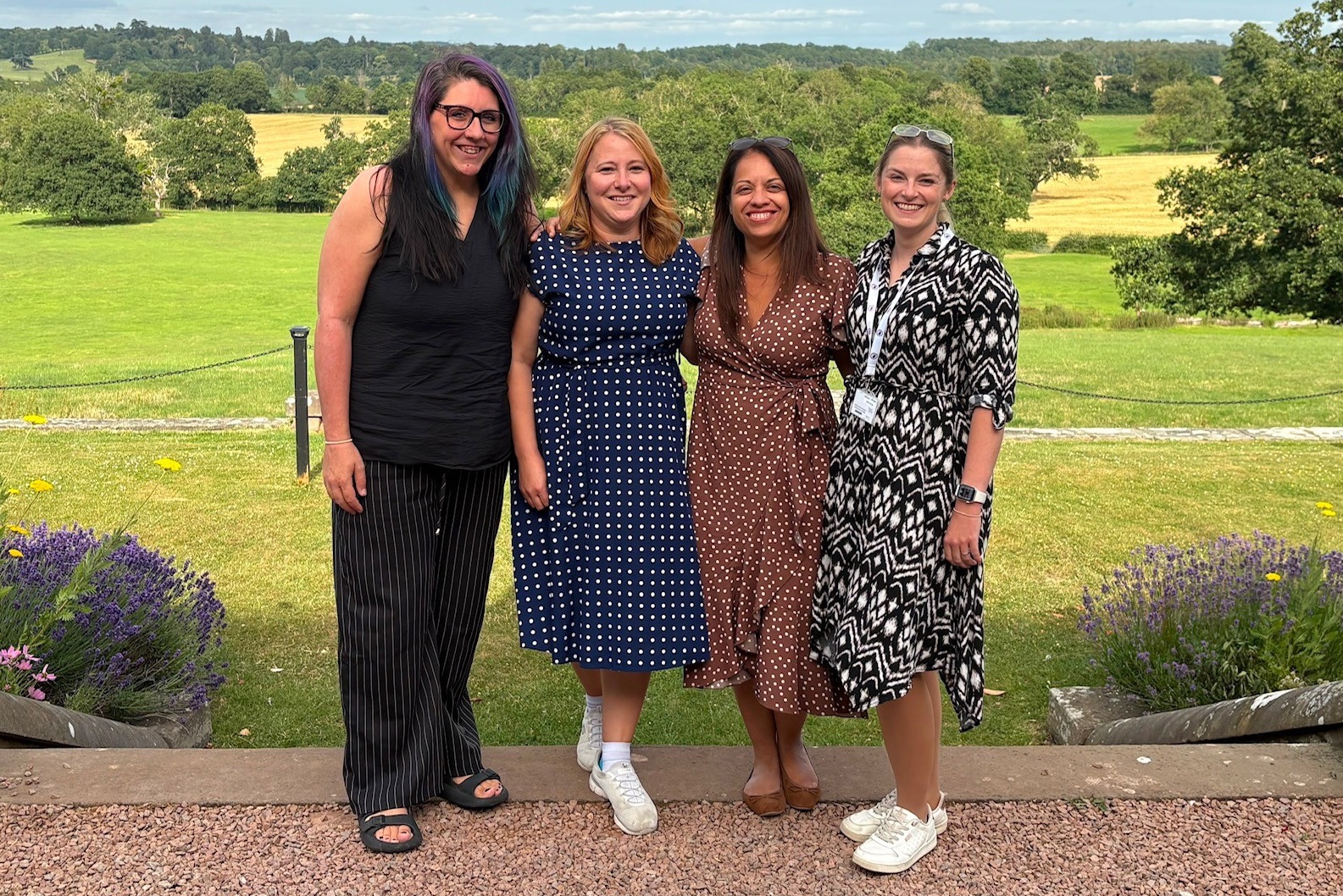
Supporting photograph: ABC Clinical Faculty for Health Innovation West of England – Rachel Ion, Consultant Obstetrician, Charley Robinson, Midwife with Health Innovation West of England Senior Project Managers, Asha Dhany and Angela Willis.
Posted on August 4, 2026